
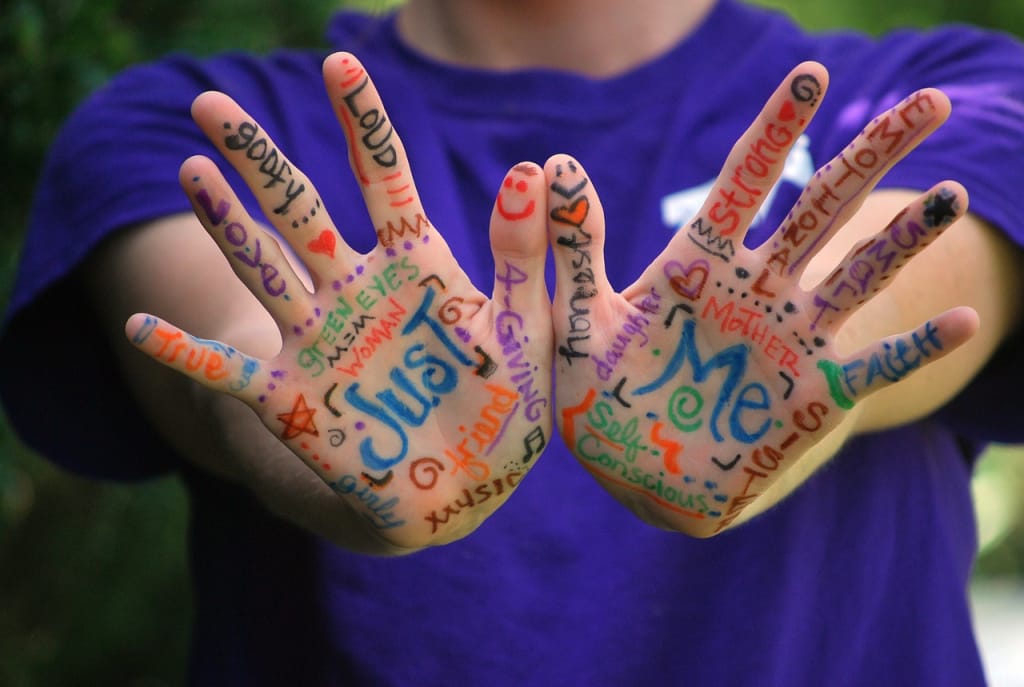
Diversity training

4 - 25 people in a session

Participants are required to have their cameras on for an interactive experience.

Maximum of two people per screen

Sessions are recorded for quality assurance purposes. They are only viewed by SCTS staff and deleted within 14 days.

Trainer Availability

Available Trainers

  • Loading...

Unavailable Trainers

  • Loading...

Culture Diversity & Identity in Care – Advanced (Zoom)

£370.00 3 hours

Description

Culture, Diversity & Culture in Care - a live course for Social Workers, Foster Carers, and Residential Workers

Supporting looked-after children and young people to know who they are, where they come from, and why that matters.

When children move through the care system, placement moves, community shifts, and new routines can leave them feeling rootless and detached from their heritage. Yet research and evidence are clear: when a child's cultural identity is respected, understood, and actively celebrated, placement stability and overall well-being improve significantly.

This essential training equips foster carers, adopters, social workers, and residential practitioners with the practical skills, legal knowledge, and theoretical frameworks needed to build a secure sense of self, self-worth, and cultural pride in care-experienced children.

Key Learning Highlights

  • The Foundations & Stages of Identity: Explore how personal, relational, cultural, and social identities develop across childhood and adolescence—drawing on developmental theories by Erikson, Marcia, and Gilligan.
  • Understanding Care System Disruption: Identify how repeated placement moves, lost memory items, and neglect of cultural background lead to rootlessness, identity confusion, or internalised shame.
  • Life Story Work & Coherent Narratives: Learn to use memory-making tools, books, and therapeutic life-story work to help children make sense of their history, present, and future.
  • Promoting Cultural & Religious Identity: Implement practical, day-to-day strategies around food, festivals, language, and community connections to fulfill legal duties under the Children Act 1989 and UNCRC Article 30.
  • Building Unconditional Self-Worth: Shift from generic praise to descriptive, strengths-based affirmation that counters the stigma of being "in care" and addresses Adverse Childhood Experiences (ACEs).
  • Social Perceptions & Marginalised Identities: Navigate complex themes of BAME experiences, anti-racist practice, intersectionality (Crenshaw), LGBTQ+ affirmation, and the social model of neurodiversity and disability.
  • Evidence-Based Guidance Frameworks: Apply Bronfenbrenner’s Ecological Systems Model, Bowlby’s Attachment Theory, and the Secure Base Model to day-to-day caregiving and Looked After Child (LAC) reviews.
  • Practical Practice Toolkit: Master practical tools including Identity-Building Conversations, the Identity Wheel exercise, and developing a structured Cultural Curriculum for placements.

Why Choose This Course?

Identity is not an optional extra it is a fundamental human right. Featuring insights directly from care-experienced young people, this course moves beyond surface-level awareness, empowering practitioners with cultural humility, practical tools, and advocacy skills to ensure every child feels rooted, valued, and understood.


Who Should Attend: Foster Carers, Prospective Adopters, Supervising Social Workers, Residential Child Care Practitioners, Independent Reviewing Officers (IROs), and Education/Health Professionals supporting looked-after children.

Format: This is a live training session via Zoom. It includes taught sections, small group work, work in pairs, and whole group discussions.

Hand-outs & Certificates: Downloadable hand-outs and certificates of attendance will be provided.

Follow on eLearning

Social Care Training Solutions

Loading...

Advanced Training

This option is aimed at an audience with prior knowledge of the subject and isn’t suitable for.  Those that are new to the subject would be better with our standard course.

Empowering Safety: Bespoke Safeguarding & Child Protection Training

Why Choose Bespoke Training?

Generic training can leave staff feeling unprepared for the real-life scenarios they face. Our tailored approach ensures the content, delivery method, and case studies are directly relevant to your sector (e.g., education, healthcare, sport, charity, corporate), your local policies, and the specific vulnerabilities and risks present in your community.

Our Specialised Training Pillars

We design engaging, practical, and compliant training across three core areas:

  • For Professionals Working with Children (Child Protection): Focuses on recognising the signs of abuse and neglect, statutory guidance (e.g., Working Together to Safeguard Children), robust reporting procedures, and the creation of a safe, child-focused culture.
  • For Professionals Working with Adults (Adult Safeguarding): Focuses on the principles of the Care Act, understanding different types of harm, promoting wellbeing, Mental Capacity Act (MCA) considerations, and ensuring person-led safeguarding responses.
  • Blended Cohorts (Safeguarding for All Ages): Ideal for organisations whose staff or volunteers interact with both children and adults (e.g., community centres, housing associations, religious organisations). This training highlights the common principles of good practice while clearly delineating the different legal frameworks, signs of harm, and reporting routes for each demographic.

Invest in training that transforms knowledge into action. Equip your team with the confidence and competence to protect those in your care proactively.

Need more time?

We recognise that sometimes groups need more time for discussions and group work. This can mean that a two-hour session is just not long enough to explore the curriculum and engage in question and answer sessions. So we are you offering the opportunity to extend the session by an hour to allow your trainees the chance to explore the curriculum fully!

Login

Discuss Training