(ACE) Adverse Childhood Experiences Training and Evidence
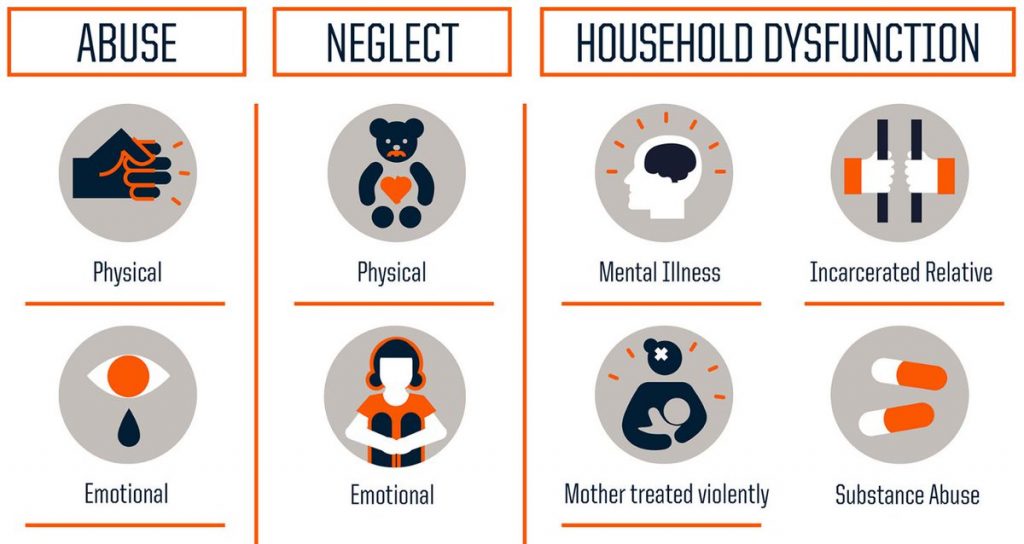
In this article, we share some evidence of how our childhood experiences can significantly affect us throughout our lives and look at relevant adverse childhood experiences training options. A groundbreaking study carried out in California in the mid-90s identified that children who experience a stressful and miserable childhood are more likely to develop self-defeating behaviours in adulthood. In a follow-up study, they recognised that Adverse Childhood Experiences are not just a health concern. Children currently experiencing ACE are more likely to perform poorly in education, become involved in antisocial behaviour and partake in substance abuse. Adverse Childhood Experiences (ACE) are becoming a contemporary concern for social care and health organisations internationally.
The cyclical nature of ACE
The longitudinal study also identified the cyclical nature of ACE. People who had experienced ACE in their childhood often ended up raising their children in a similar environment. Thus, trauma becomes intergenerational.
As professionals, we can reduce the impact of these traumatic events by developing a Trauma-Informed approach and a form of care that is therapeutic at its core. You can read much more about this here on the website.
We need a paradigm shift from asking “What is wrong with them?” to “What have they lived through, and how has this shaped their development?”
We believe that all Carers need the skills and knowledge to support young people to understand their ACE and how to mitigate their negative impact.
Our Adverse Childhood Experiences training has the following objectives:
To identify the proportion of people in the United Kingdom affected by ACE.
To identify what ACE are and how they are formed.
To discover how we can facilitate the right therapeutic relationship.
Recognise how the stress response system activates “fight, flight or freeze” and becomes conditioned over time especially in high-stress situations.
Understand the concept of trauma-informed care and how it creates safety for those impacted by violence and trauma.
Learn ways to build resiliency in young people.
Discover how we can facilitate the right therapeutic relationship.
Gain support strategies to help support children and young people with ACE challenges.
If you are curious about the ACE in your own personal history, you can explore this HERE
Empowering Safety: Bespoke Safeguarding & Child Protection Training
Why Choose Bespoke Training?
Generic training can leave staff feeling unprepared for the real-life scenarios they face. Our tailored approach ensures the content, delivery method, and case studies are directly relevant to your sector (e.g., education, healthcare, sport, charity, corporate), your local policies, and the specific vulnerabilities and risks present in your community.
Our Specialised Training Pillars
We design engaging, practical, and compliant training across three core areas:
For Professionals Working with Children (Child Protection): Focuses on recognising the signs of abuse and neglect, statutory guidance (e.g., Working Together to Safeguard Children), robust reporting procedures, and the creation of a safe, child-focused culture.
For Professionals Working with Adults (Adult Safeguarding): Focuses on the principles of the Care Act, understanding different types of harm, promoting wellbeing, Mental Capacity Act (MCA) considerations, and ensuring person-led safeguarding responses.
Blended Cohorts (Safeguarding for All Ages): Ideal for organisations whose staff or volunteers interact with both children and adults (e.g., community centres, housing associations, religious organisations). This training highlights the common principles of good practice while clearly delineating the different legal frameworks, signs of harm, and reporting routes for each demographic.
Invest in training that transforms knowledge into action.Equip your team with the confidence and competence to protect those in your care proactively.