

[vc_row][vc_column][vc_column_text css=”.vc_custom_1554728886349{margin-bottom: 0px !important;}”]
In this post, we explore the final stage of the Trauma Recovery Process and outline the Trauma-Informed Care Training required to support children and young people through this stage.
Judith Lewis Herman reminds us of the challenge we face at this stage:
“Many abused children cling to the hope that growing up will bring escape and freedom. But the personality formed in the environment of coercive control is not well adapted to adult life. The survivor is left with fundamental problems in basic trust, autonomy, and initiative. She approaches the task of early adulthood — establishing independence and intimacy — burdened by major impairments in self-care, in cognition and in memory, in identity, and in the capacity to form stable relationships. She is still a prisoner of her childhood; attempting to create a new life, she reencounters the trauma.”
(from Trauma and Recovery, Judith Lewis Herman)[/vc_column_text][/vc_column][/vc_row][vc_row][vc_column][vc_empty_space][/vc_column][/vc_row][vc_row][vc_column width=”2/3″][vc_column_text css=”.vc_custom_1554406334458{margin-bottom: 0px !important;}”]It is now the role of the carer to focus on:
[/vc_column_text][/vc_column][vc_column width=”1/3″][mk_custom_list title=”Relevant Info & Courses” icon_color=”#ff9900″]
[/mk_custom_list][/vc_column][/vc_row][vc_row][vc_column][vc_empty_space][/vc_column][/vc_row][vc_row][vc_column][vc_column_text css=”.vc_custom_1554729011755{margin-bottom: 0px !important;}”]Trauma, after all, is only part of a much larger picture; it may be part of the young person’s life story but it’s certainly not the only part. The goal is that by the end of stage three the young person recognises the impact of the trauma but is ready to leave it in the past to pursue an empowered life in the present.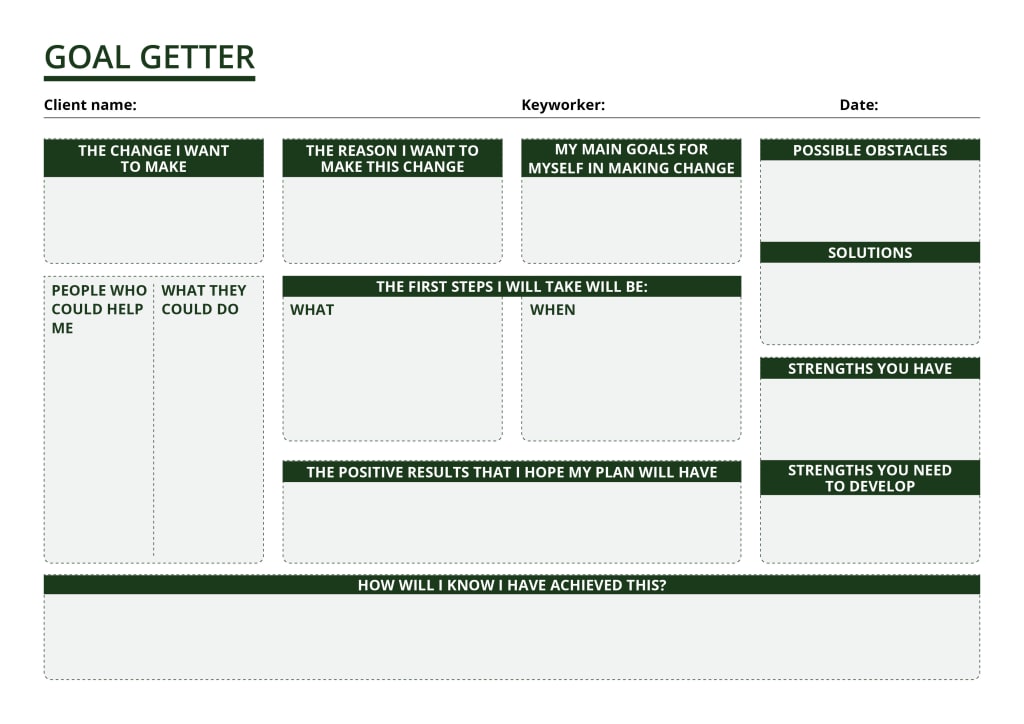 Our goal as therapeutic carers is to support the young person to actively reclaim their future by supporting a positively integrated self and supporting the resolution of arrested development.
We can do this by using a scaffolding approach with young people, which involves:
As their life becomes reconsolidated around a healthy present and a healed integrated self, the trauma feels farther away and is no longer a daily focus.
You can read about Stage 1 HERE
You can read about Stage 2 HERE
We have created a suite of training for organisations that are developing an agency-wide Trauma-Informed Practice (TIP). TIP offers frameworks that are grounded in an understanding of trauma, whilst seeking to promote healing and the building of resilience.
Our suite of training is therefore mapped against Judith Herman’s 3-stage model of Trauma Recovery:
Stage 1: Safety and Stabilisation
Stage 3: Reconnection and Adaptation
All of this is covered in our Therapeutic Fostering training program, full details of which can be found HERE, or contact Tori on admin@socialcaretrainingsolutions.com to discuss how it can work for your teams.[/vc_column_text][/vc_column][/vc_row]